"Prefab is cheaper" is lazy advice. Sometimes it isn't — and the honest comparison is more interesting. Here is how a 10-cabin resort project actually plays out both ways, based on delivered projects.
Timeline: The Difference You Feel First
Traditional site construction for 10 guest units typically runs 6–12 months, dominated by sequencing: foundations, then structure, then the long tail of MEP, finishes and fit-out — all weather-dependent and contractor-dependent.
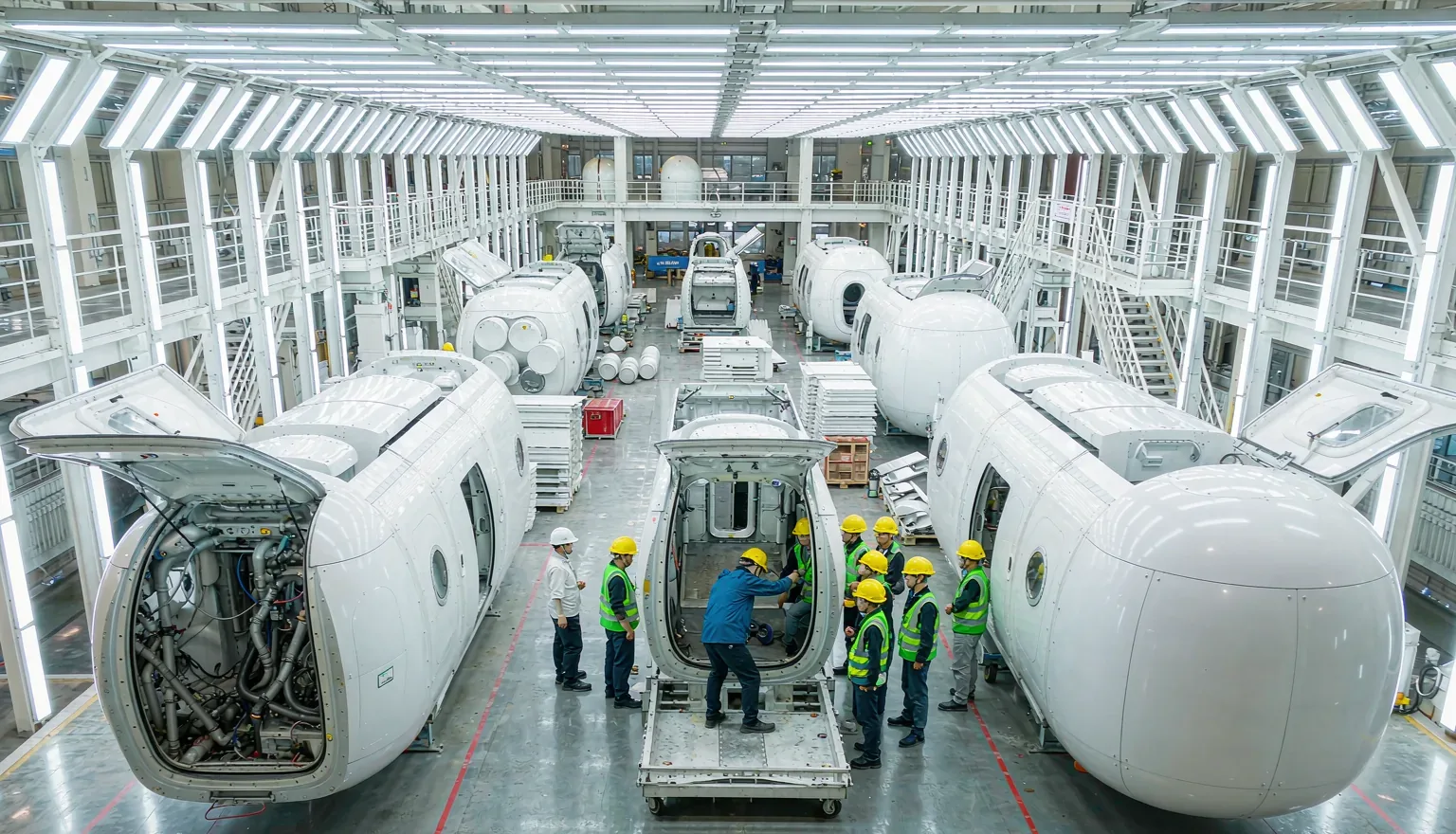
The prefab path compresses this into roughly 45 days of factory production (running in parallel with your foundation and utility works) plus 1–2 weeks of on-site installation. Because cabins arrive finished, "construction time on your land" is measured in days.
Where Prefab Actually Saves Money
- Labour: fit-out happens on a production line, not at premium site wages in remote locations.
- Financing time: opening one high season earlier on a 10-unit camp can repay a meaningful share of the investment.
- Variation orders: a fixed factory contract includes furniture and appliances; site builds rarely stay on budget.
- Rework: water-tested bathrooms and circuit-tested electrics eliminate the most common post-handover defects.
Where Traditional Building Still Wins
Be honest about the trade-offs: multi-storey buildings, complex architectural statements and projects requiring masonry permits are not prefab territory. Prefab wins on repeatable, transportable, view-driven accommodation — exactly what camps and resorts are.
Rule of Thumb
If your project is 1–50 units of similar room types on land with road access, prefab will usually open faster, cost more predictably and rent for the same nightly rate. The cabin is not the product — the experience is, and guests don't see a difference. Your accountant will.